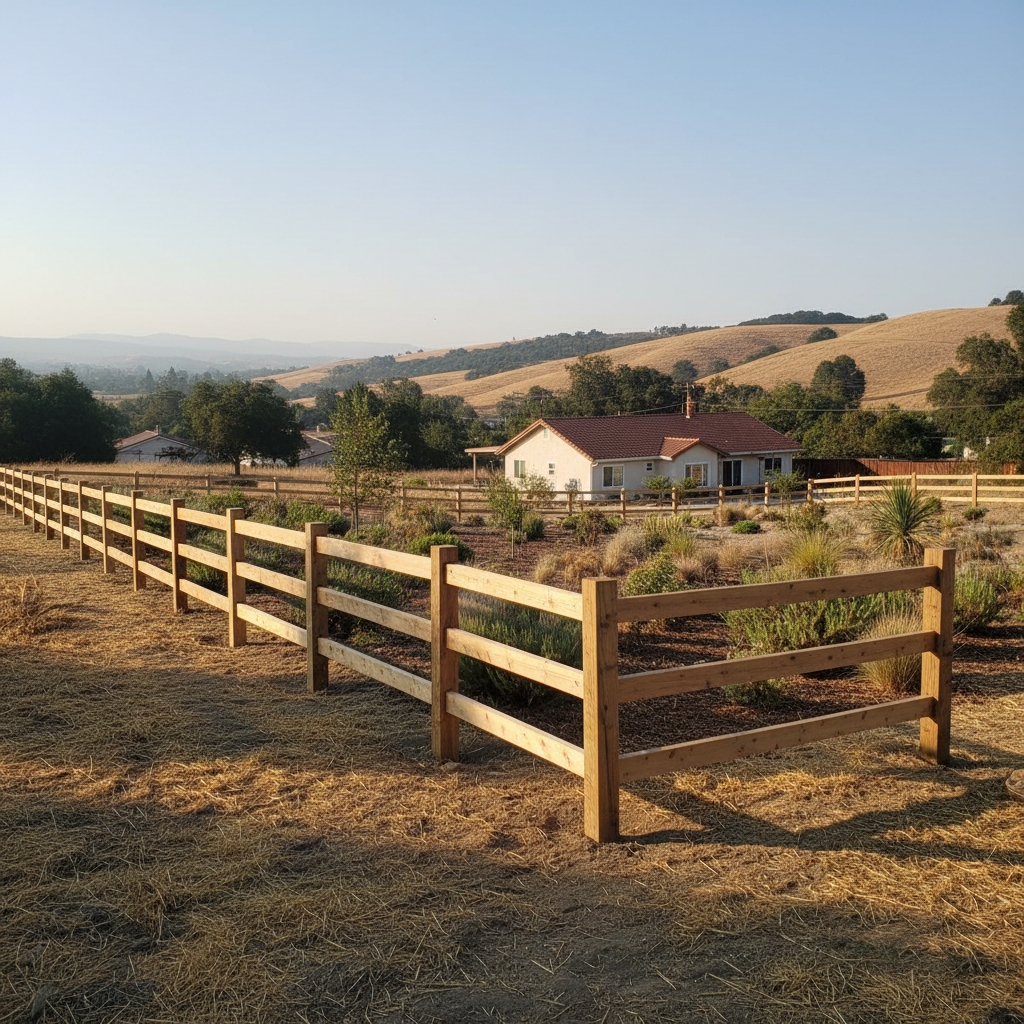
Farm fencing isn't just about keeping animals where they belong; it's a really important part of your property's setup. And here in Vallejo, with our specific climate, you can't just slap up a fence and forget it. I've seen too many people learn that the hard way. So, let's talk about what our seasons mean for your farm fence and how to make sure it actually lasts.
When to Put Up Your Farm Fence
Timing is everything when you're installing a new farm fence. You want conditions that make the job easier, not harder, and ensure the fence gets a good start. For us, the sweet spot usually lands in late spring to early summer, or early fall.
Why those times, you ask? Well, in late spring and early summer, the ground has had a chance to dry out from our winter rains. Digging post holes is way simpler when you're not wrestling with a muddy mess. Plus, the weather's generally pretty mild. You won't have the scorching heat of August beating down on you or the crew, which means better working conditions and less stress on materials during installation. The soil is easy to work with but not waterlogged, so posts can settle in nicely.
Early fall is another good window. The summer heat has usually broken by then, but we haven't hit the really wet part of our rainy season yet. The ground is still pretty dry, and temperatures are comfortable. You really want to steer clear of the peak of winter and the height of summer if you can. Trying to dig through waterlogged, heavy clay soil — and we've got plenty of that around here — or ground baked hard in August, is just asking for trouble. It can definitely add to your labor costs too.
Vallejo Weather & Your Farm Fence
Our weather here in Vallejo, especially out in places like American Canyon or the rural areas north of town, really hits your fencing hard. We get those long, dry summers, followed by wet winters. This constant cycle of drying out and getting soaked is tough on wood posts and even metal parts.
Think about wood posts: when they're always getting wet and then drying out, they expand and contract. Over time, this can lead to cracking, splitting, and faster rot, especially right at the ground line. That's why I always tell folks to use pressure-treated lumber for any wood posts going into the ground. It costs a bit more upfront, sure, but it'll save you a lot of headaches and replacement costs later on. For metal posts, rust is the main enemy. Our coastal fog and winter rains, mixed with those dry spells, can speed up corrosion if your posts aren't properly galvanized or coated.
Wind is another big factor. We get some pretty strong gusts, particularly when storm fronts roll through. A fence that wasn't put in right, or one that hasn't been kept up, can turn into a sail in high winds. You'll see posts leaning, wires sagging, and panels coming loose. It's not just about how it looks; it's a security risk for your livestock or property, too.
Year-Round Protection for Your Investment
Keeping your farm fence in good shape isn't a one-and-done job; it's something you have to keep at. Here's what you should be doing:
- Spring Check-Up: After the winter rains, walk your fence line. Look for any loose wires, broken boards, leaning posts, or signs of rust. This is the time to tighten things up, swap out small sections, and deal with any erosion around post bases. If you've got electric fencing, check the voltage and make sure all the insulators are still good.
- Summer Maintenance: Our dry summers mean fire season, right? So, keep vegetation cleared around your fence line. Not only does it cut down on fire risk, but it also stops weeds from growing up and pushing on your fence, or shorting out electric lines. Check for sun damage on any plastic parts or painted surfaces.
- Fall Prep: Before the rains hit, give your fence a good once-over. This is a great time to re-stain or seal wooden fences to protect them from moisture. For metal fences, touch up any chipped paint or rust spots. Make sure gates are swinging freely and latches are secure. You really don't want a gate failing in the middle of a winter storm.
- Winter Watch: During the rainy season, keep an eye on drainage around your fence posts. Standing water is the enemy of wood. If you notice a post is consistently sitting in a puddle, you might need to improve drainage in that area. Heavy rains can also loosen soil around posts, so watch for any new leaning.
It's all about being proactive, you know? A little bit of maintenance throughout the year really helps prevent those bigger, more expensive repairs. If you're seeing bigger issues, though, or if you're ready to upgrade your farm fencing, don't hesitate to give us a call at Alpha Fencing Vallejo. We've been helping folks in the area for years, and we understand what it takes to build a fence that stands up to our local conditions.