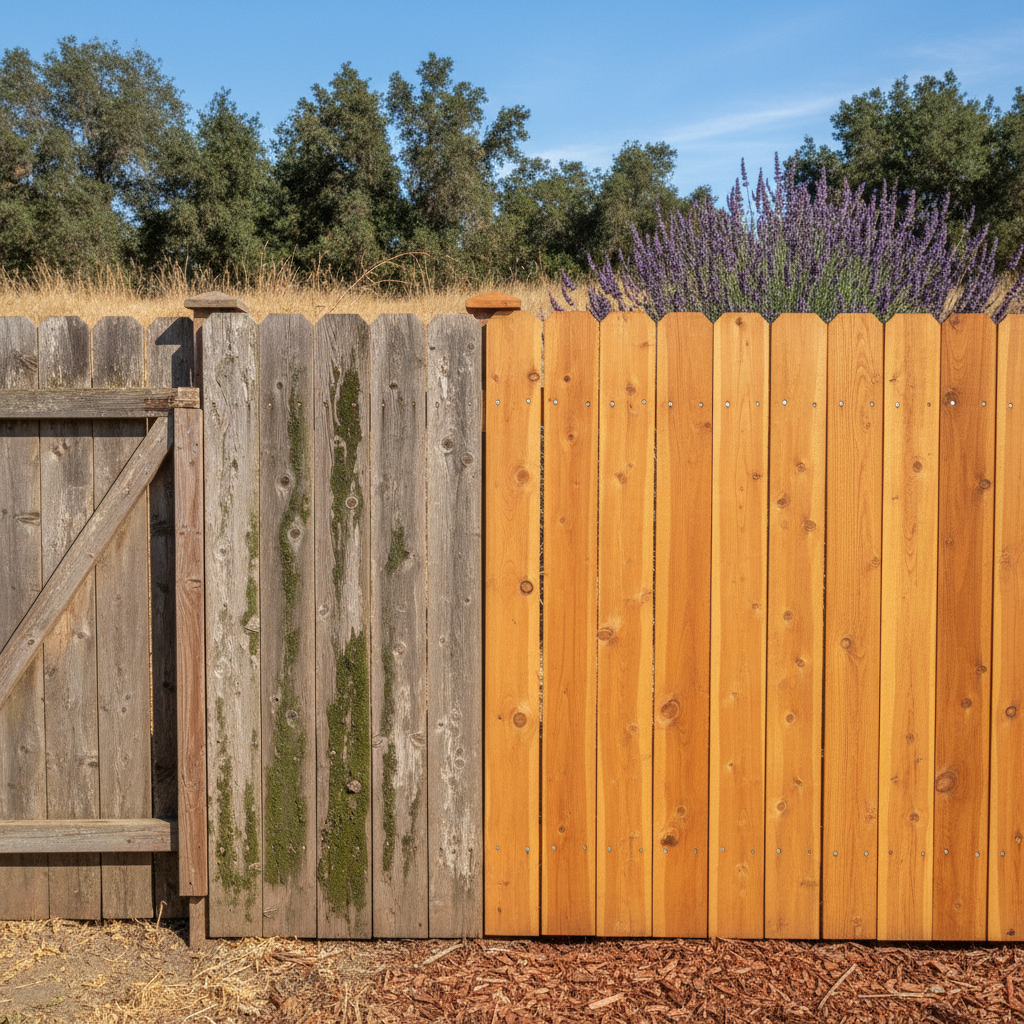
Your fence is looking a little rough, huh? Maybe a few boards are rotten at the bottom, or a post is leaning after that last big windstorm we had. You're probably wondering if you can just fix the bad parts or if you need to tear out a whole section. It's a common question, and honestly, there's no single right answer for every situation. It really depends on what's going on with your fence and what you're hoping to get out of the repair.
Spot Repair: The Quick Fix
Spot repair means exactly what it sounds like: you're only fixing the specific damaged bits. This could be replacing one or two broken pickets, re-attaching a loose rail, or maybe shoring up a wobbly post with some concrete or a repair spur. It's often the first thing homeowners think of because it seems cheaper and faster.
Cost: This is usually the cheapest option upfront. You're buying fewer materials – just a few boards, some nails, maybe a bag of concrete. If you're doing it yourself, your only cost is materials and your time.
Durability: Here's where it gets tricky. If the damage is truly isolated – say, one board got hit by a rogue soccer ball – then a spot repair can hold up just fine. But if that one board is rotten because the ground is constantly wet, or if the post is leaning because the whole fence line is old and stressed, then your spot repair might not last. You're fixing a symptom, not necessarily the root cause. I've seen plenty of fences in South Vallejo, especially those on slopes with poor drainage, where a single rotten picket is just the first sign of widespread moisture damage.
Maintenance: You might find yourself doing more frequent spot repairs if the underlying issues aren't addressed. It can become a game of whack-a-mole, where you fix one thing, and then something else pops up a few months later.
Appearance: Unless you're a master at matching aged wood or paint, a spot repair can often stick out. New boards on an old fence will look, well, new. They won't have the same weathered look as the rest of the fence, and that can be pretty noticeable. If aesthetics are important to you, this might be a downside.
Full Section Replacement: The More Substantial Fix
This approach involves taking out a whole section of your fence – typically from one post to the next – and rebuilding it. This means new posts, new rails, and new pickets for that entire span. It's a bigger job, no doubt about it, but it often gives you a much better result in the long run.
Cost: Naturally, replacing a whole section is going to cost more than a spot repair. You're buying more materials, and if you're hiring a pro, there's more labor involved. However, consider the cost over time. If a spot repair only lasts a year or two before you need another one, the cumulative cost can quickly add up to what a section replacement would have been.
Durability: This is where full section replacement really shines. You're starting fresh with new, strong materials. If your posts were the problem, new posts set correctly will provide a solid foundation. If the old wood was just past its prime, you're getting a whole new, sturdy section. This means it's built to last, often for many years to come, especially if you're using quality materials like redwood or cedar that stand up well to our coastal California weather.
Maintenance: Once a section is replaced, it's generally pretty low maintenance for a good long while. You won't be constantly patching things up. You'll still want to do regular fence maintenance, of course, like cleaning and sealing, but you won't be dealing with structural failures in that section for a long time.
Appearance: A newly replaced section will look cohesive and strong. While it might look newer than the adjacent older sections for a bit, it will weather over time to blend in better. Plus, it significantly improves the overall look of your property, getting rid of that eyesore of a damaged fence.
My Recommendation for Vallejo Homeowners
Look, I've been doing this for a while with Alpha Fencing Vallejo, and here's what I've seen: if you have truly minor, isolated damage – like one broken picket from an impact, and the rest of the fence is sound – a spot repair can work. But if you're seeing rot, leaning posts, widespread sagging, or if the fence is just old and generally deteriorating, you're usually better off replacing the entire section. Trying to patch up an old, failing fence is like putting a band-aid on a broken leg. It might hold for a minute, but it's not a real fix.
Especially with our clay soils in parts of Vallejo, posts can shift or rot at the base if not installed properly. If one post is failing, chances are the ones next to it are under similar stress or are also compromised. Replacing the whole section ensures you're building a strong, stable barrier that will protect your property and look good doing it, without you having to worry about it falling apart next year. It's an investment that pays off in both curb appeal and just not having to think about it.